Research Articles
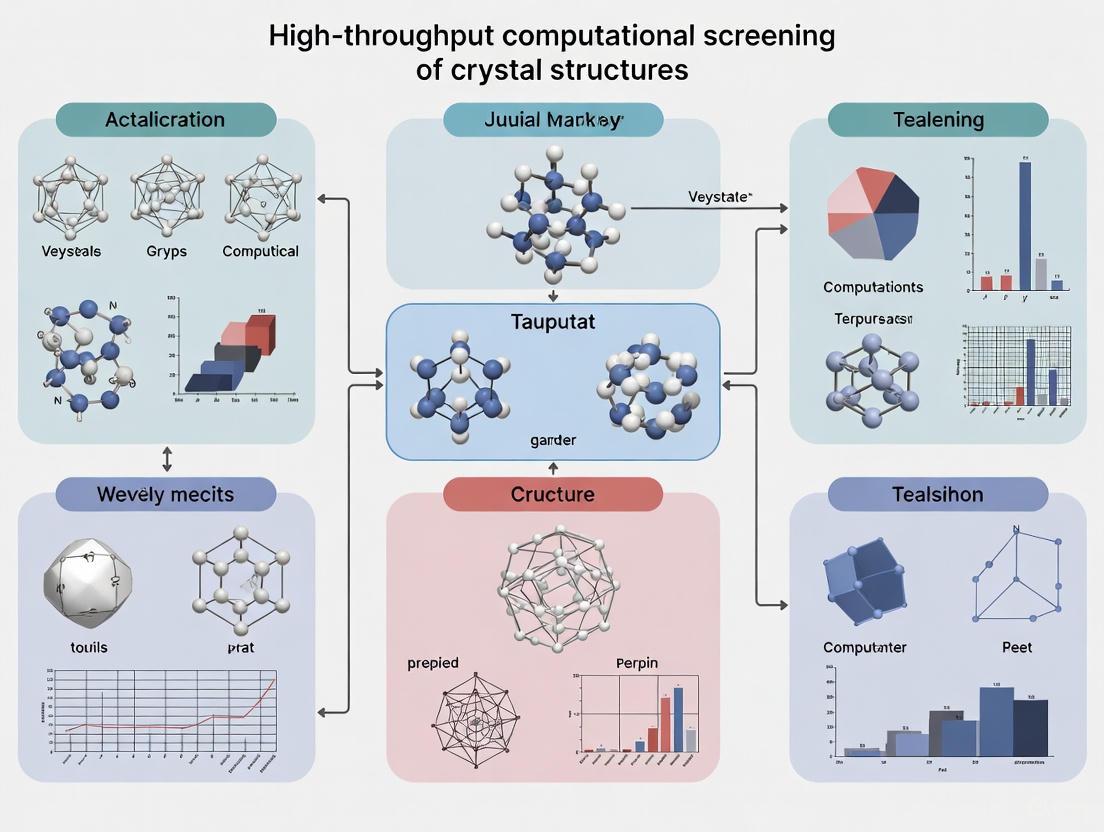
High-Throughput Computational Screening of Crystal Structures: Accelerating Drug Discovery and Materials Design
This article provides a comprehensive overview of high-throughput computational screening (HTCS) for crystal structures, a transformative approach accelerating discovery in structural biology, drug development, and materials science.
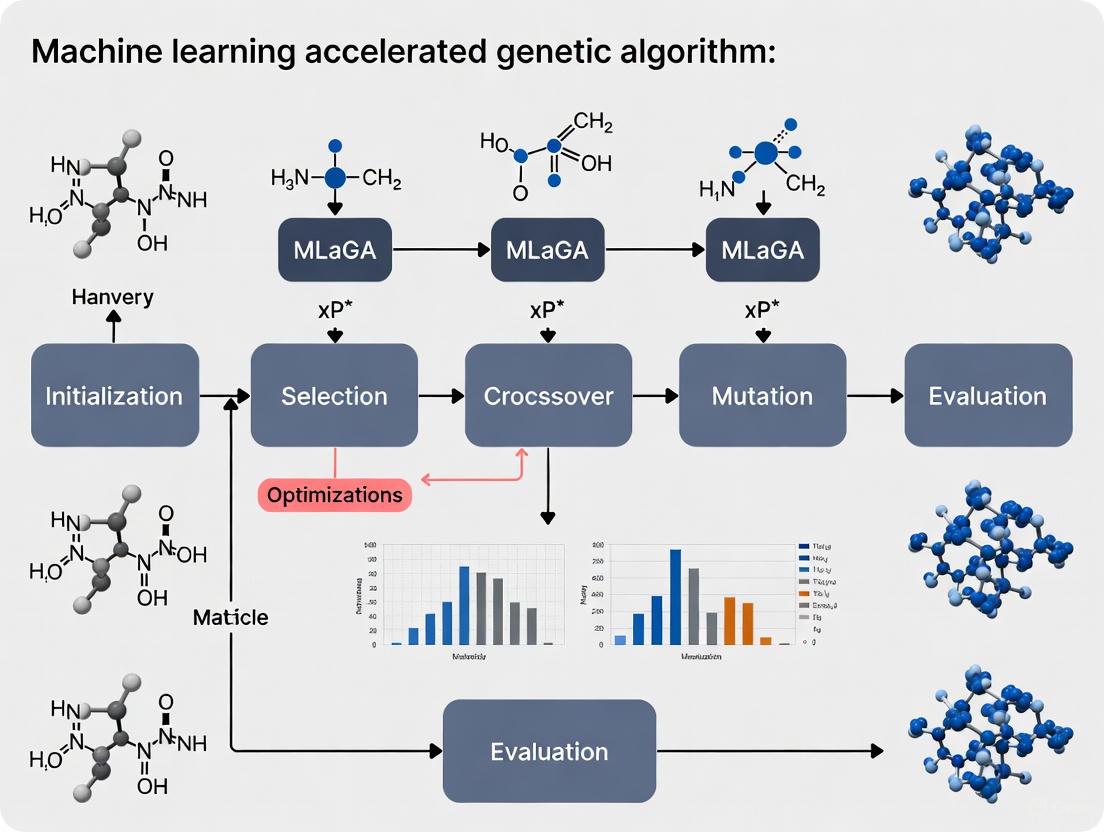
Machine Learning-Accelerated Genetic Algorithms (MLaGA): Revolutionizing Nanoparticle Discovery for Biomedical Applications
This article explores the transformative integration of Machine Learning (ML) with Genetic Algorithms (GA) to accelerate the discovery and optimization of nanoparticles for drug delivery and biomedical applications.
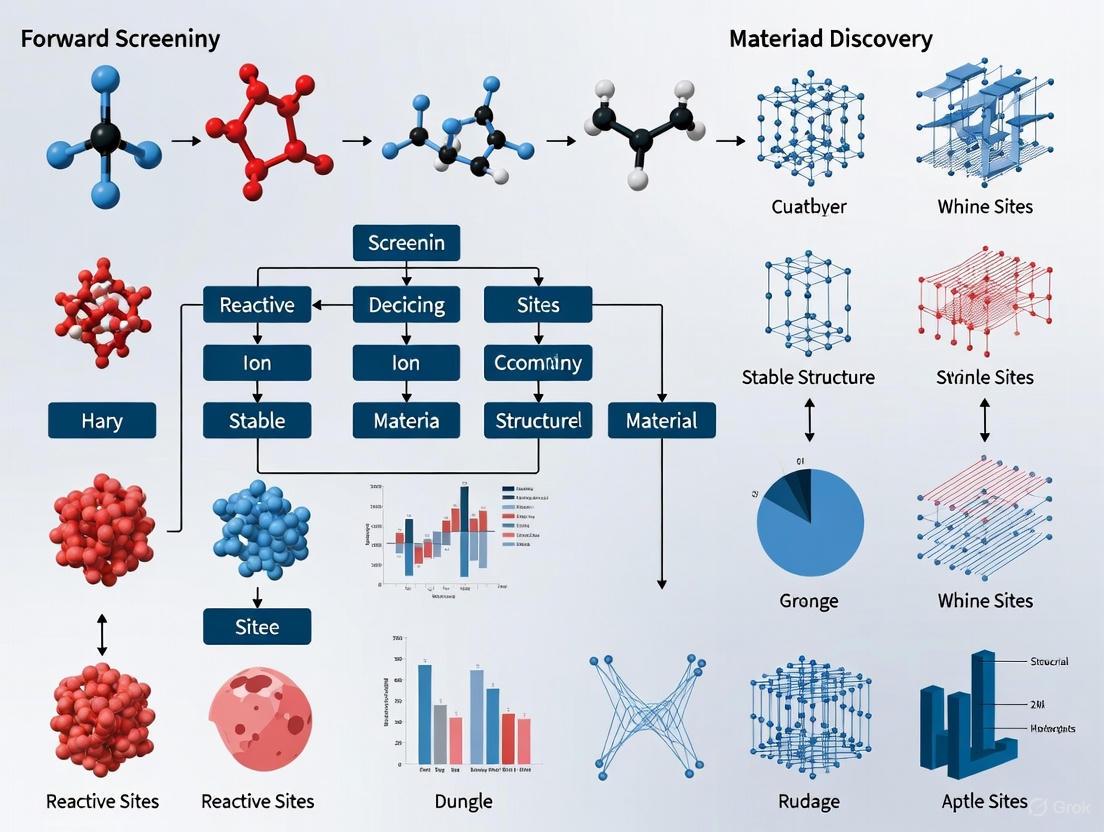
Beyond the Filter: Understanding the Critical Limitations of Forward Screening in Modern Materials Discovery
Forward screening, the long-standing paradigm of filtering pre-defined material candidates against target properties, faces fundamental challenges in the era of vast chemical spaces and AI-driven design.
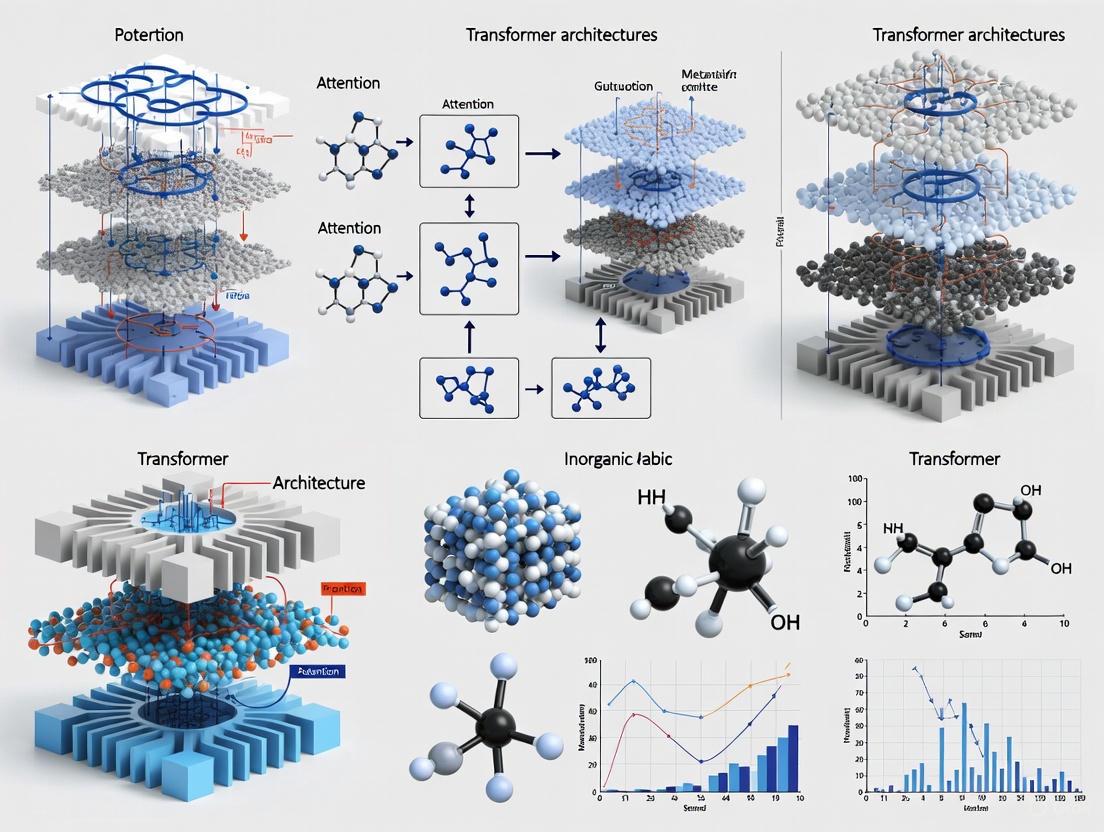
Transformer Architectures in Materials Science: A Comprehensive Guide for Researchers and Drug Developers
This article explores the transformative impact of transformer architectures in materials science and drug discovery.

Inverse Design in Computational Materials Science: A Paradigm Shift from Property to Structure
This article provides a comprehensive overview of inverse design, a transformative paradigm in computational materials science that starts with a desired property or functionality as the input to computationally identify...
Beyond Prediction: A Practical Framework for Experimentally Validating Synthesizability in Drug Discovery
This article provides a comprehensive guide for researchers and drug development professionals on validating computational synthesizability predictions with experimental synthesis data.
Computational vs. Experimental Inorganic Crystal Structures: A Comparative Analysis for Advanced Materials Discovery
This article provides a comprehensive comparative analysis of computational and experimental methods for determining inorganic crystal structures, a critical area for researchers in materials science and drug development.
Machine Learning vs. DFT Formation Energy: The New Frontier in Predicting Material Synthesizability
Accurately predicting whether a theoretical material can be synthesized is a critical challenge in accelerating the discovery of new functional compounds, particularly in drug development and materials science.

Beyond Thermodynamics: How LLMs Like CSLLM Achieve 98.6% Accuracy in Predicting Material Synthesizability for Drug Discovery
This article explores a paradigm shift in predicting material synthesizability, a critical bottleneck in drug development.
AI vs. Human Expert: Benchmarking SynthNN's Revolution in Predicting Synthesizable Materials
This article provides a comprehensive comparison between deep learning models, specifically SynthNN, and human experts in predicting the synthesizability of crystalline inorganic materials.