Research Articles
Mitigating Anthropogenic Bias in Synthetic Data: Strategies for Robust and Equitable Biomedical Research
Synthetic data offers transformative potential for accelerating drug discovery and biomedical research by providing scalable, privacy-preserving datasets.
From Prediction to Lab: A Practical Guide to Experimentally Validating Synthesizability in Drug and Material Discovery
This article provides a comprehensive guide for researchers and drug development professionals on the critical process of experimentally validating computational synthesizability predictions.
Beyond the Crystal Ball: Overcoming the Challenges of Predicting Material Synthesizability Without Structural Data
Predicting whether a theoretical material or drug candidate can be synthesized is a critical bottleneck in discovery pipelines, a challenge magnified when crystal structure data is unavailable.

Beyond the Hype: A Practical Guide to Handling Class Imbalance for Robust Synthesizability Classification
This article provides a comprehensive guide for researchers and drug development professionals tackling the critical challenge of class imbalance in synthesizability classification models.
Beyond Thermodynamics: Advanced AI and Machine Learning for Predicting Metastable Material Synthesizability
Accurately predicting which metastable materials can be synthesized is a critical bottleneck in accelerating the discovery of new functional materials for biomedical and technological applications.
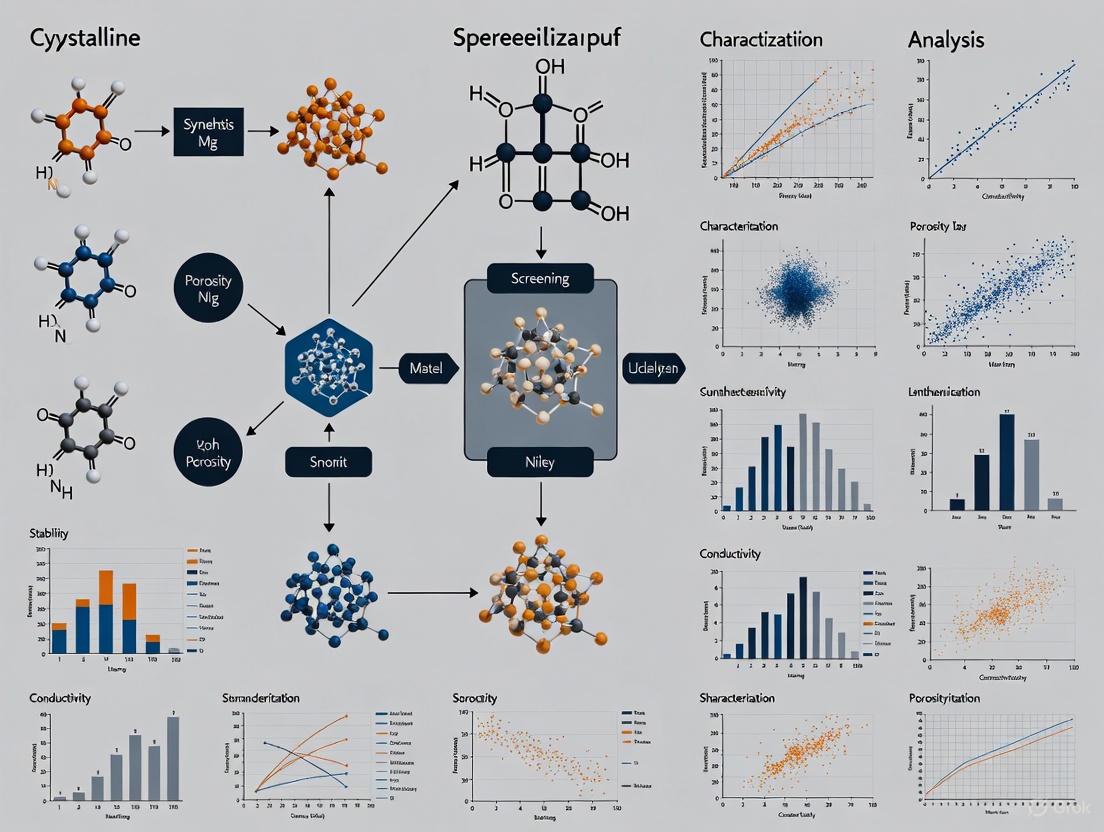
High-Throughput Screening for Synthesizable Crystalline Materials: Accelerating Drug Discovery and Development
This article provides a comprehensive overview of high-throughput screening (HTS) strategies specifically for identifying synthesizable crystalline materials, a critical step in efficient drug development.
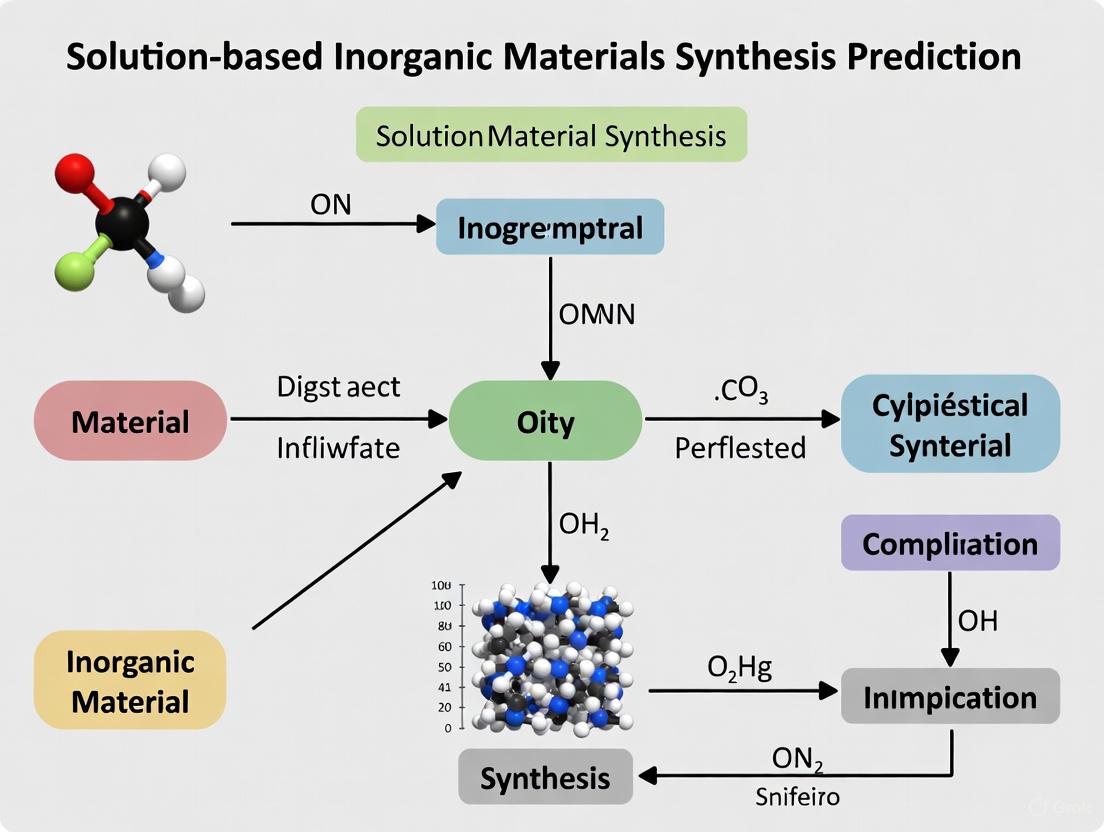
AI-Powered Synthesis: Predicting Pathways for Solution-Based Inorganic Materials
This article explores the transformative role of artificial intelligence and machine learning in predicting synthesis pathways for solution-based inorganic materials.
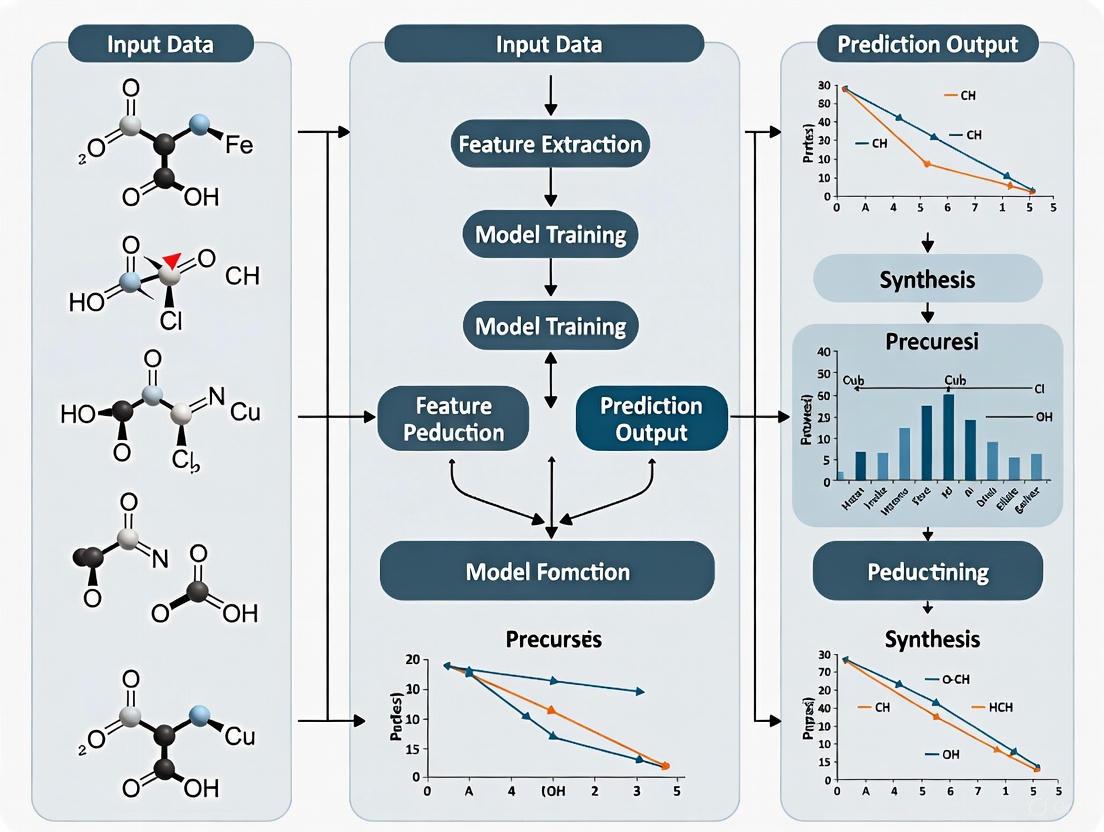
Machine Learning for Inorganic Material Synthesis: Predicting Precursors and Accelerating Discovery
This article explores the transformative role of machine learning (ML) in predicting synthesis precursors for inorganic materials, a critical bottleneck in materials development.
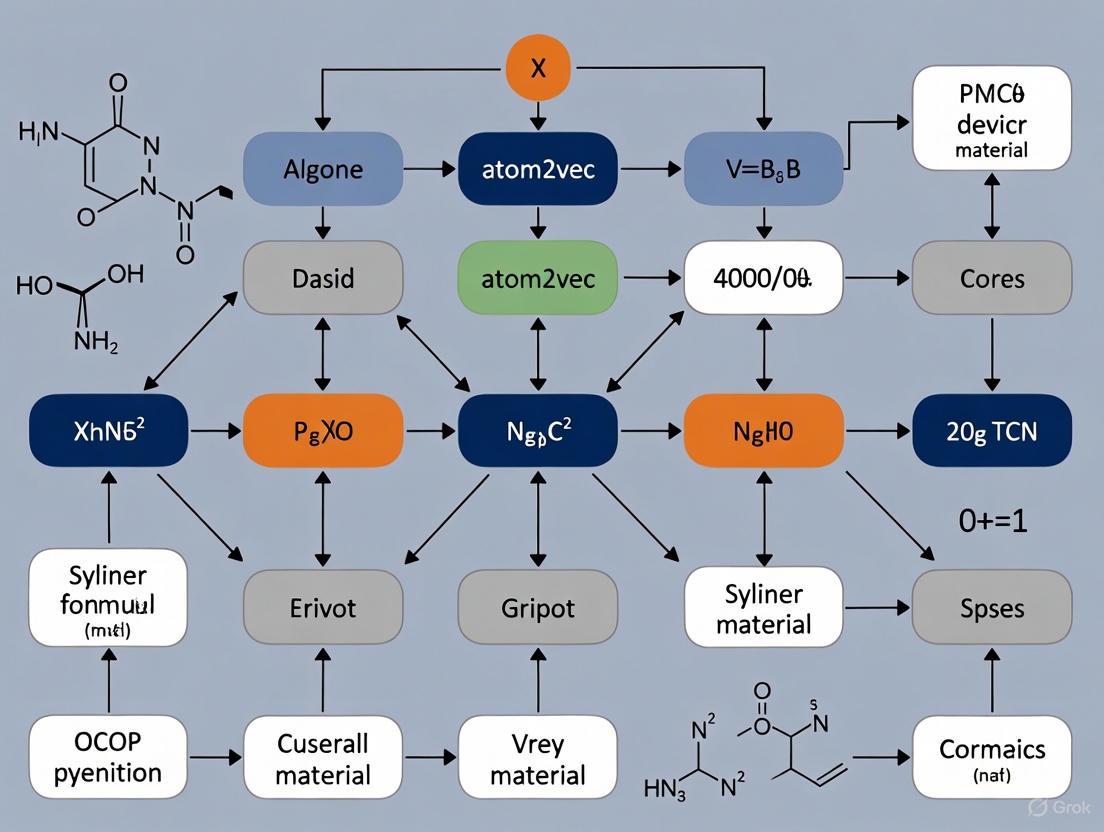
Atom2Vec for Synthesizability Prediction: A Deep Learning Framework Accelerating Materials and Drug Discovery
This article explores the transformative role of Atom2Vec and related deep learning representations in predicting the synthesizability of chemical compounds and materials.
Predicting Material Synthesizability with Positive-Unlabeled Learning: A New Paradigm for Accelerating Discovery
This article explores the transformative role of Positive-Unlabeled (PU) learning in predicting material synthesizability, a critical bottleneck in materials discovery and development.